
History of "Never Again"
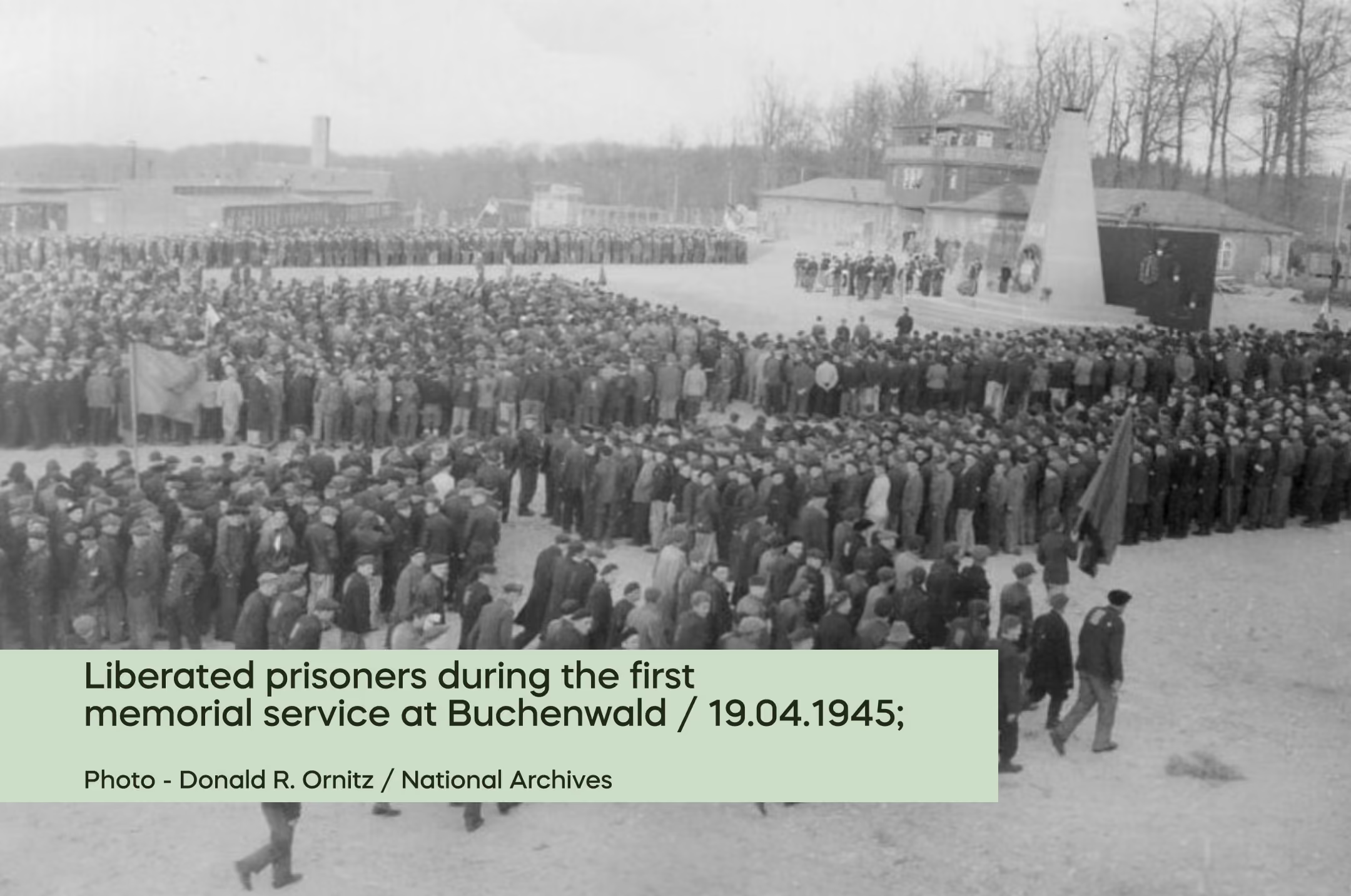
19 April 1945. Buchenwald concentration camp. Liberated prisoners gathered on the roll-call square where headcounts had once taken place. They held the first memorial service for those who had died and dedicated a temporary memorial to them.
The participants solemnly pledged to fight against Nazi crimes. According to former prisoner Heinz Brandt, the crowd loudly chanted: “Never again.” It was the prisoners of Buchenwald who first formulated the pledge: “Never again war.”
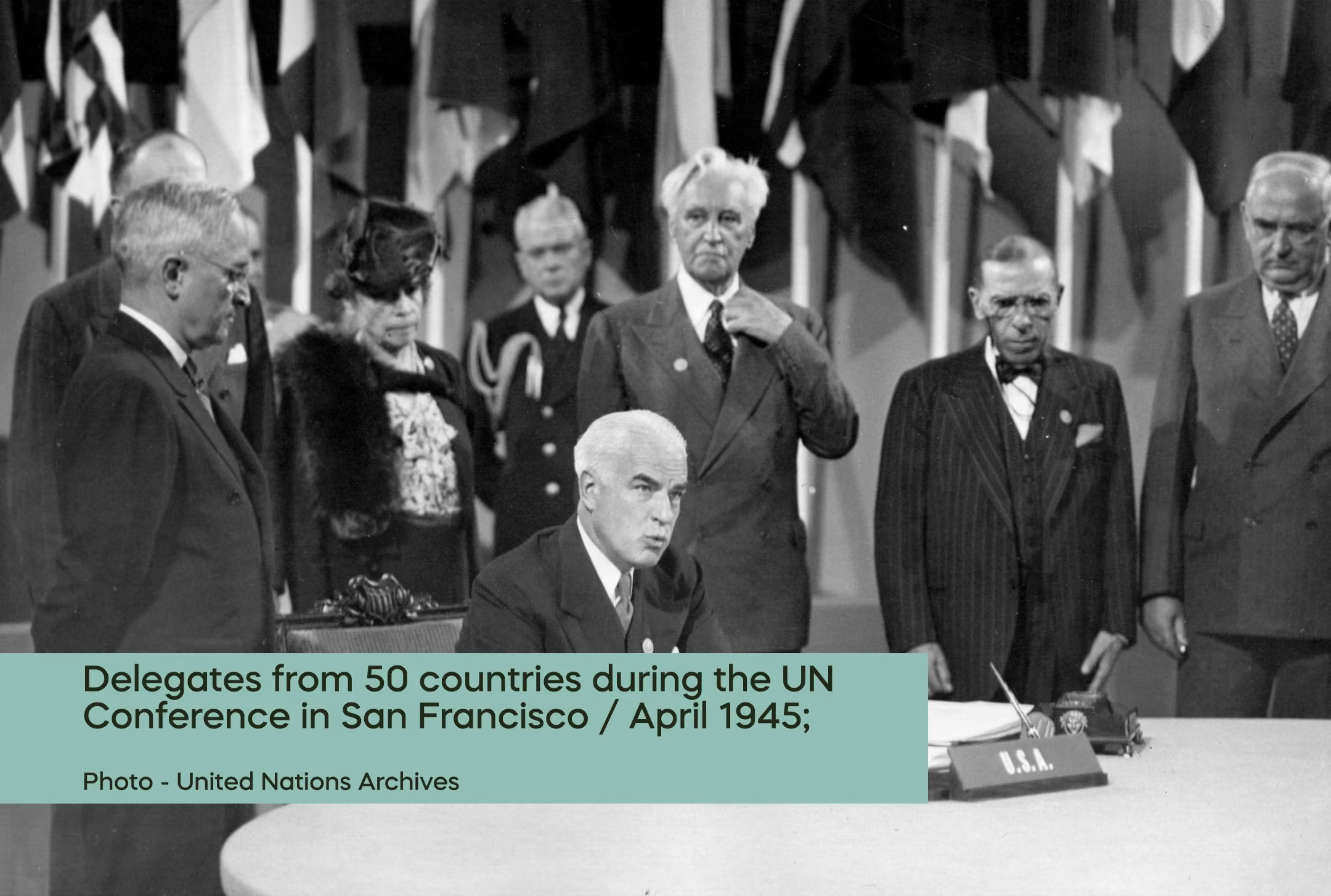
In April 1945, delegates from 50 countries gathered in San Francisco. The goal of the conference was to create an international body capable of maintaining peace and preventing future wars. This is how the United Nations was founded, and the opening words of its Charter sounded like a pledge: “We the peoples of the United Nations determined to save succeeding generations from the scourge of war, which twice in our lifetime has brought untold sorrow to mankind.”
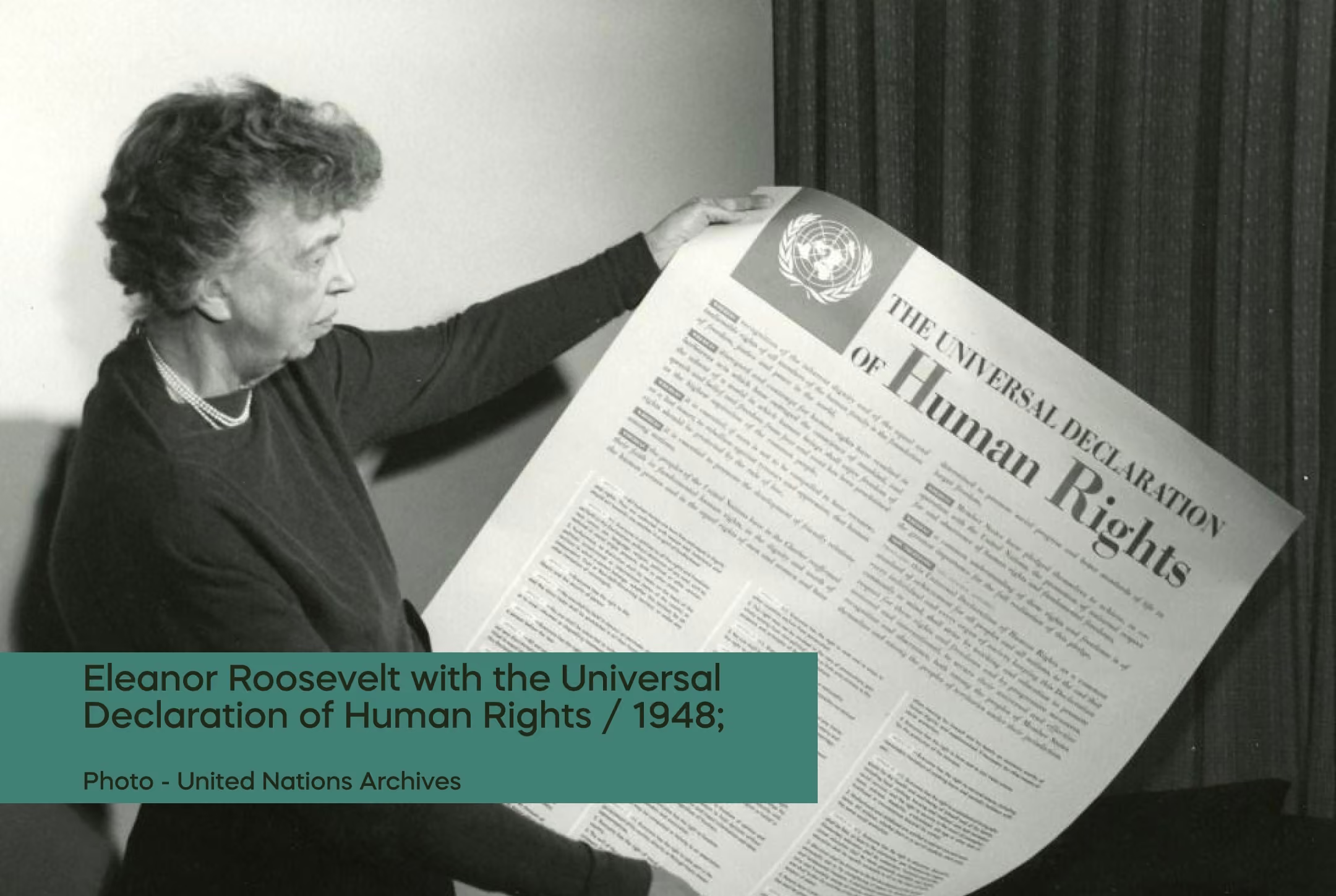
Later, this promise was formalized in international law. On 9 December 1948, the United Nations General Assemblyadopted the Convention on the Prevention and Punishment of the Crime of Genocide. It became the first human rights treaty in the history of the organization. Its adoption was seen as proof of the international community’s commitment to the principle of “never again.” The following day, on 10 December, the Universal Declaration of Human Rights was adopted. In effect, within two days, two foundational documents were created with the intention of making such atrocities impossible to repeat.
“To save succeeding generations from the scourge of war” are among the very first words of the UN Charter. They became the central motivation behind the creation of the organization, whose founders had lived through the devastation of two world wars before 1945.
But a contradiction still exists within the architecture of this institution. The Security Council has five permanent members: the United States, France, russia, the United Kingdom, and China. Each of them holds veto power over any decision. This has repeatedly led to paralysis within the UN during critical moments. In other words: an organization created to stop aggressors ended up giving an aggressor more space and authority to pursue its own agenda.
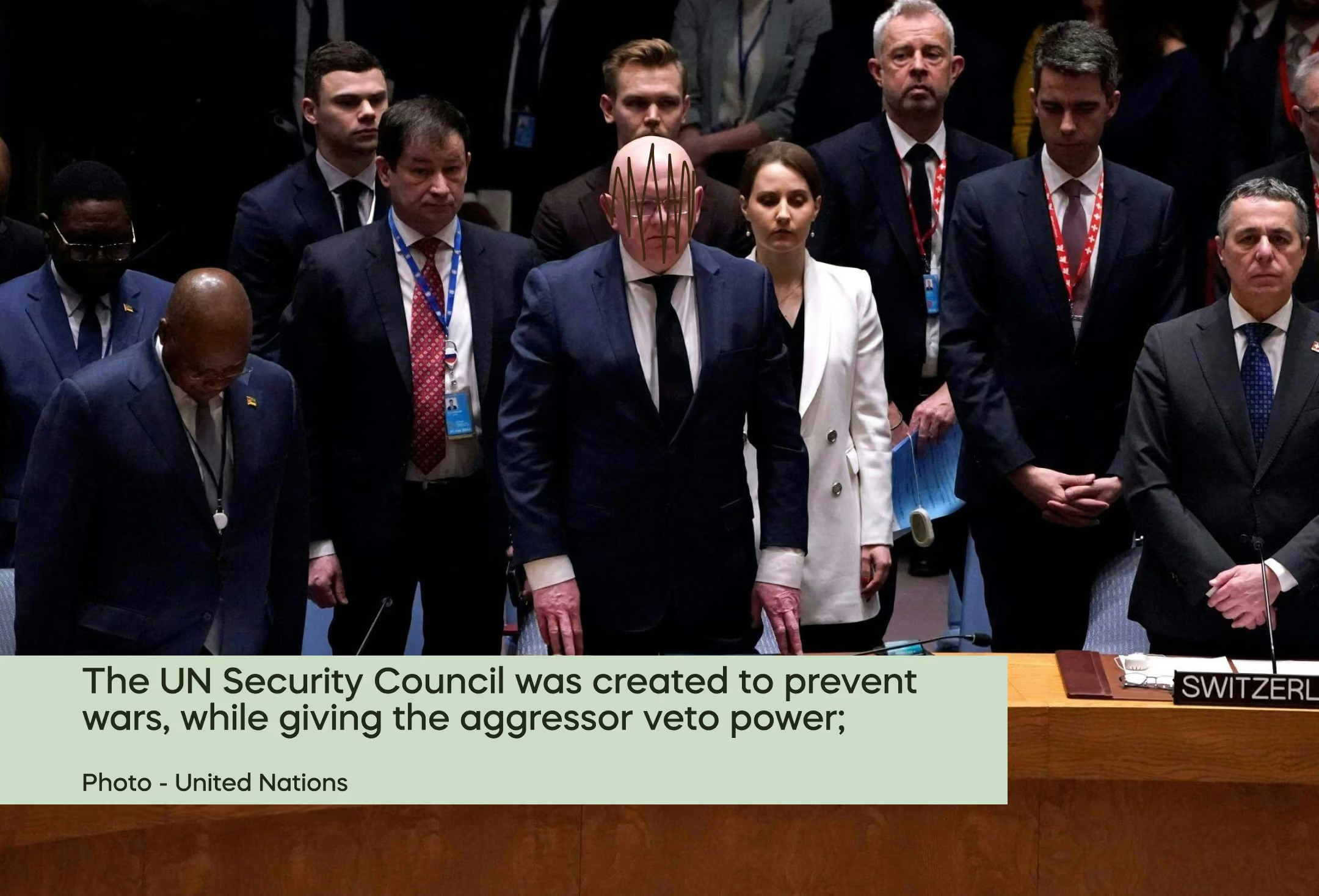
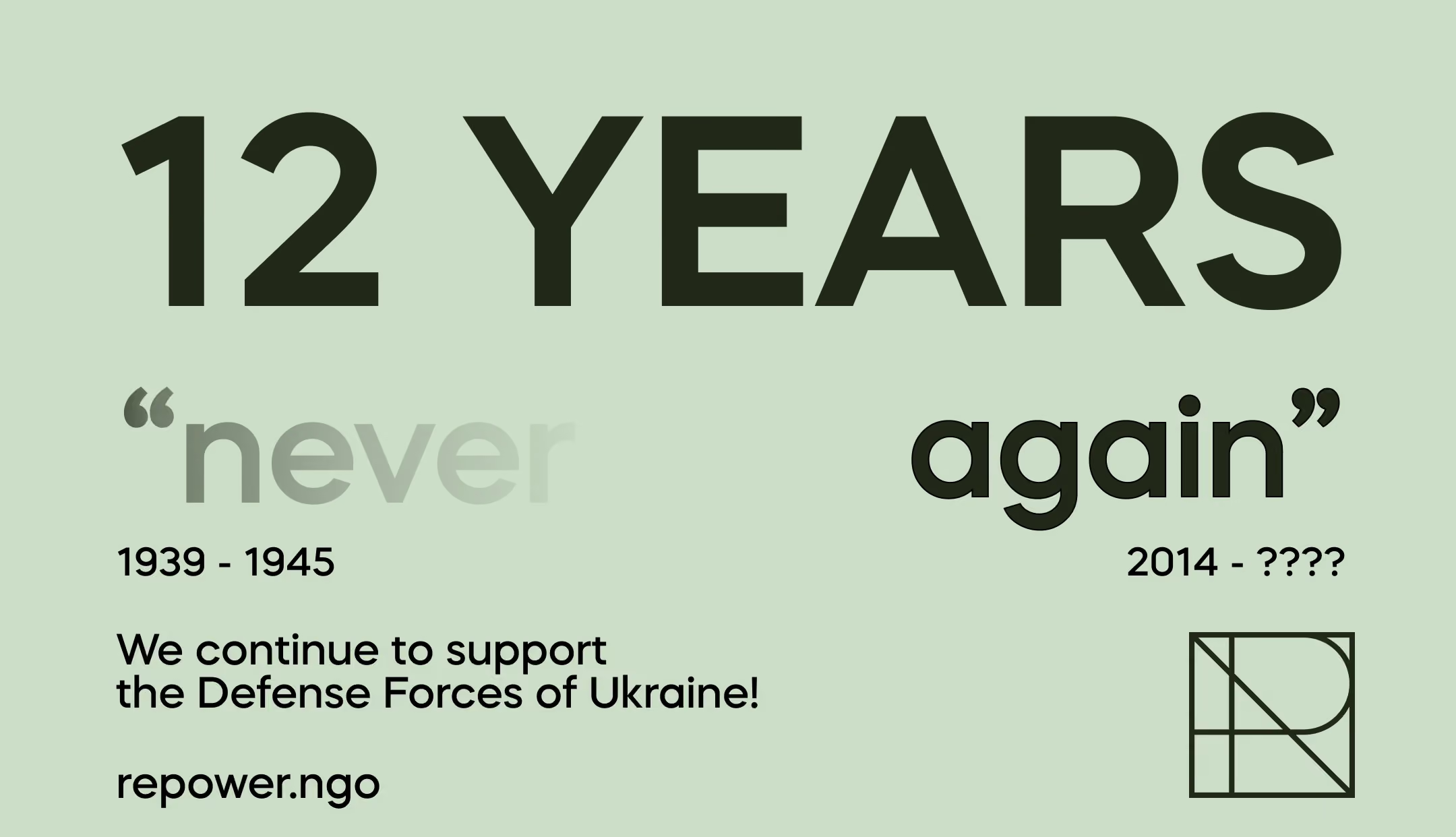
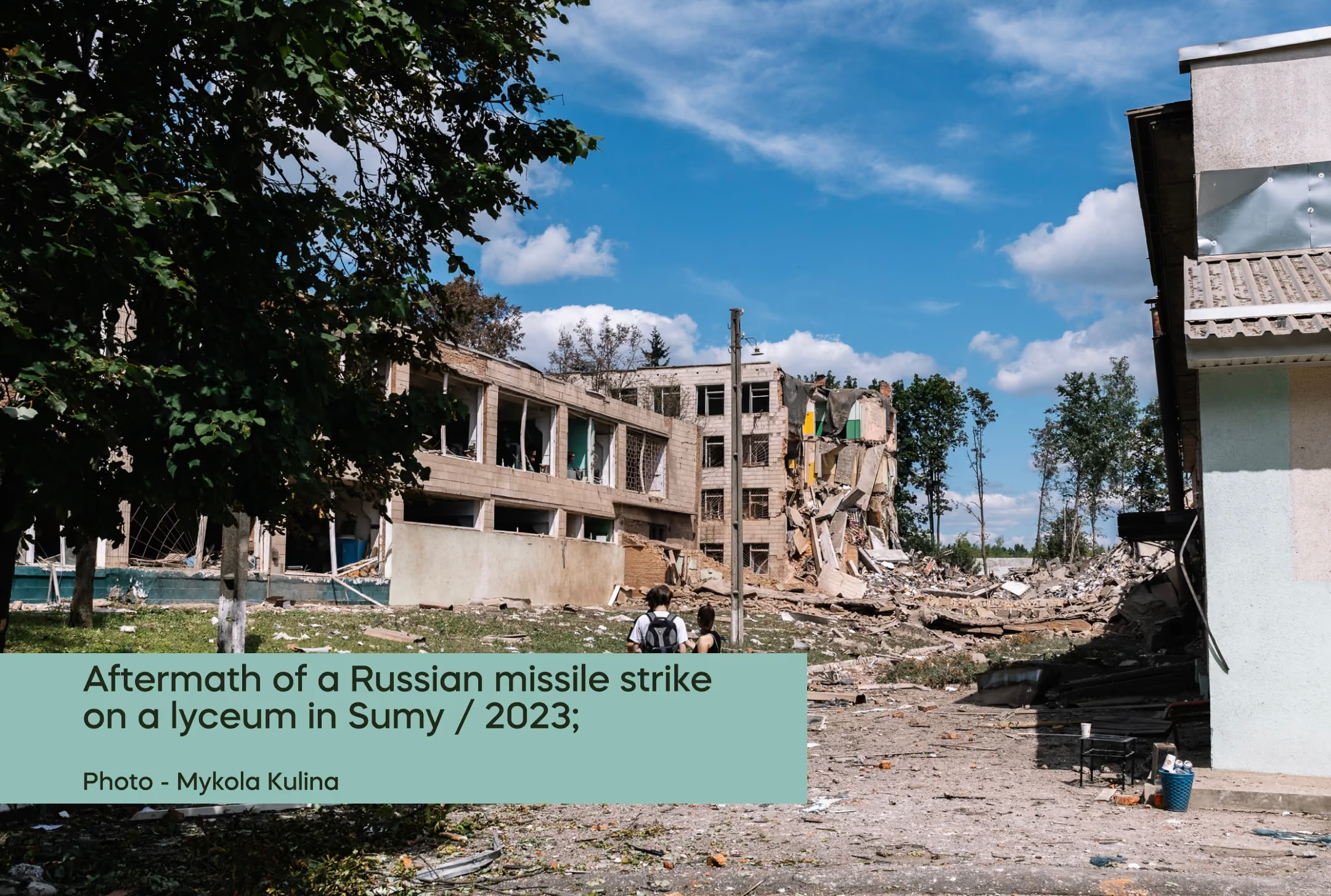
Reality turned out differently. As of 8 May 2026, Europe has already been at war for twelve years. And the question engraved by the prisoners of Buchenwald onto handmade signs in 1945 still sounds just as sharp today: never again?



.avif)
.jpg)
.avif)
.avif)

.svg)
.svg)
